Categories
Blog transportation industry Tucker Company Worldwide

Freight Economics Update with Jeff Tucker and Lee Klaskow

A recap of Tucker’s data-packed 15-minute analysis of freight economics today, trends you should be aware of, and what it all means for YOU!

On Thursday, December 15th Tucker Company Worldwide CEO Jeff Tucker was joined by Senior Analyst- Transportation at Bloomberg Intelligence, Lee Klaskow, to discuss the current Freight Market, particularly the Trucking Market, and what it means for 2023. With Jeff’s 31 years of experience in the trucking industry and Lee’s economic transportation expertise, Jeff and Lee spoke on the recession consensus heading into the new year, where we may see trucking demand in 2023, what this may mean for rates next year, and more.   

Check out the video below, 12/15/22 Freight Economics Update with Jeff Tucker and Lee Klaskow.  

Save the date for Tucker Company Worldwide’s next market update webinar on Thursday, January 26th, at 12 PM EST. We look forward to seeing you there!  


Categories
Blog transportation industry Tucker Company Worldwide

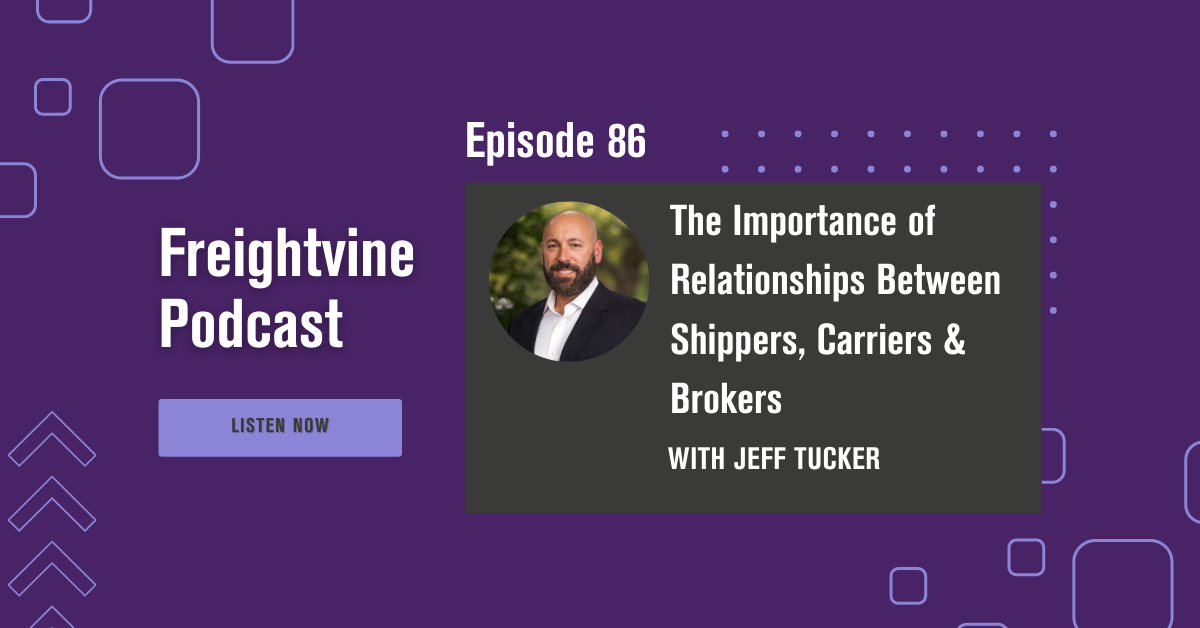
Jeff Tucker, CEO, Featured on DAT’s Freightvine Podcast – Listen Now

Recently, Jeff Tucker, CEO of Tucker Company Worldwide, was featured on DAT Freight and Analytics’ Freightvine Podcast. In this episode, Jeff breaks down what it’s like to be in a family business, how the freight brokerage industry has shifted, and the importance of industry relationships.  

the importance of relationships between shippers, carriers, and brokers

We would love to hear from you if you are seeking transportation logistics support. Contact us, and let’s discuss how Tucker can help your company succeed.  


Categories
Blog transportation industry Tucker Company Worldwide

Advantages of Third-Party Logistics Providers

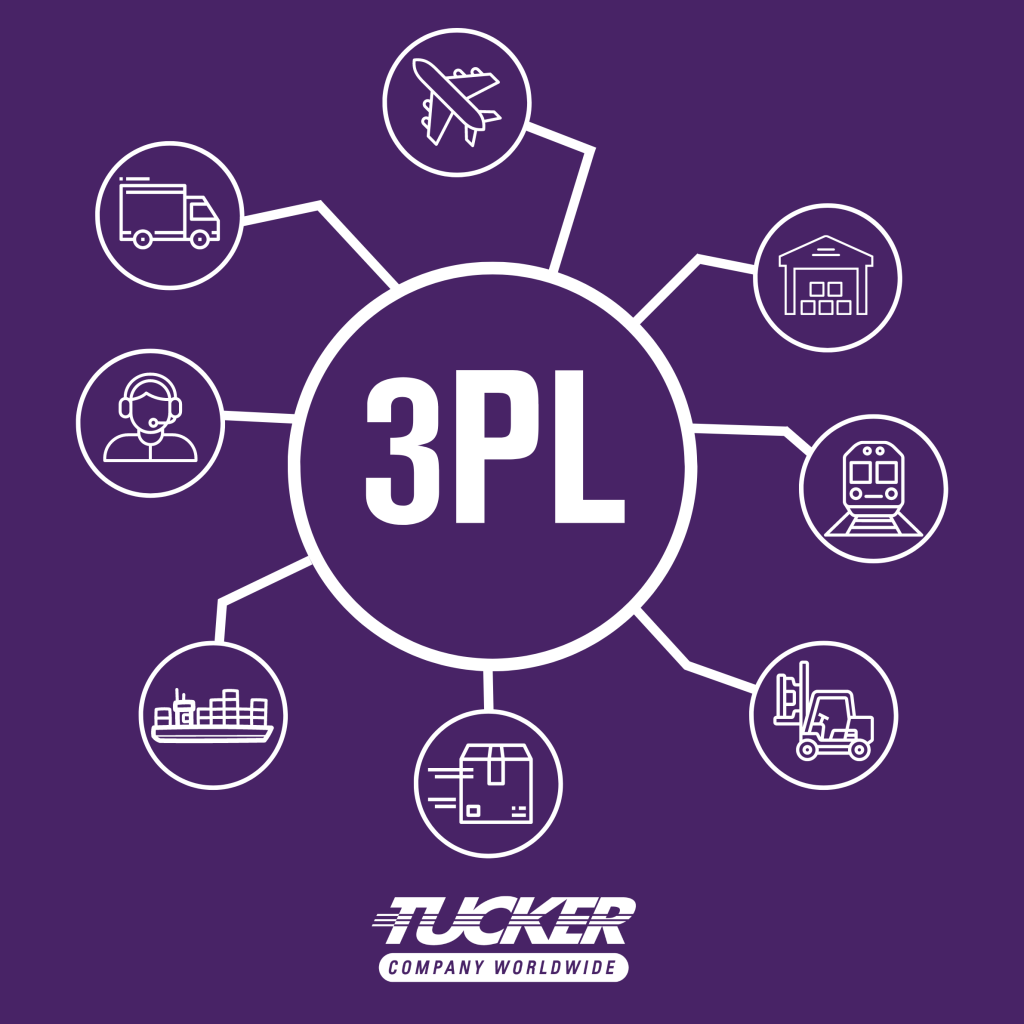
A third-party logistics company (3PL) can help you with some or all of your supply chain and logistics operations, allowing you to focus on other aspects of your business. Here are some benefits of working with a third-party logistics provider and what Tucker Company Worldwide can do for you. 

What is a 3PL Freight Provider? 

A Third-Party Logistics freight provider (3PL) allows customers to outsource some, or all, of their supply chain and logisticsBenefits of a 3PL operations. 3PL freight providers are a critical part of supply chain management and are used by many. Some of these services include: 

  1. Transportation Management 
  2. Project Coordination
  3. Logistics Management

Whether your company is looking to expand your customer base, venture into new markets, or create positive consumer experiences, 3PL freight providers can help you achieve your goals using industry expertise, specialized technologies, and excellent services.  

5 must-ask questions when selecting a third-party logistics provider 


Benefits Of Working With a 3PL Freight Provider

Having in-house logistics means managing every aspect of the supply chain, which poses a number of challenges. There are many advantages to working with a third-party logistics provider. Here are some of the benefits that 3PL companies provide: 

1.) Cost savings 

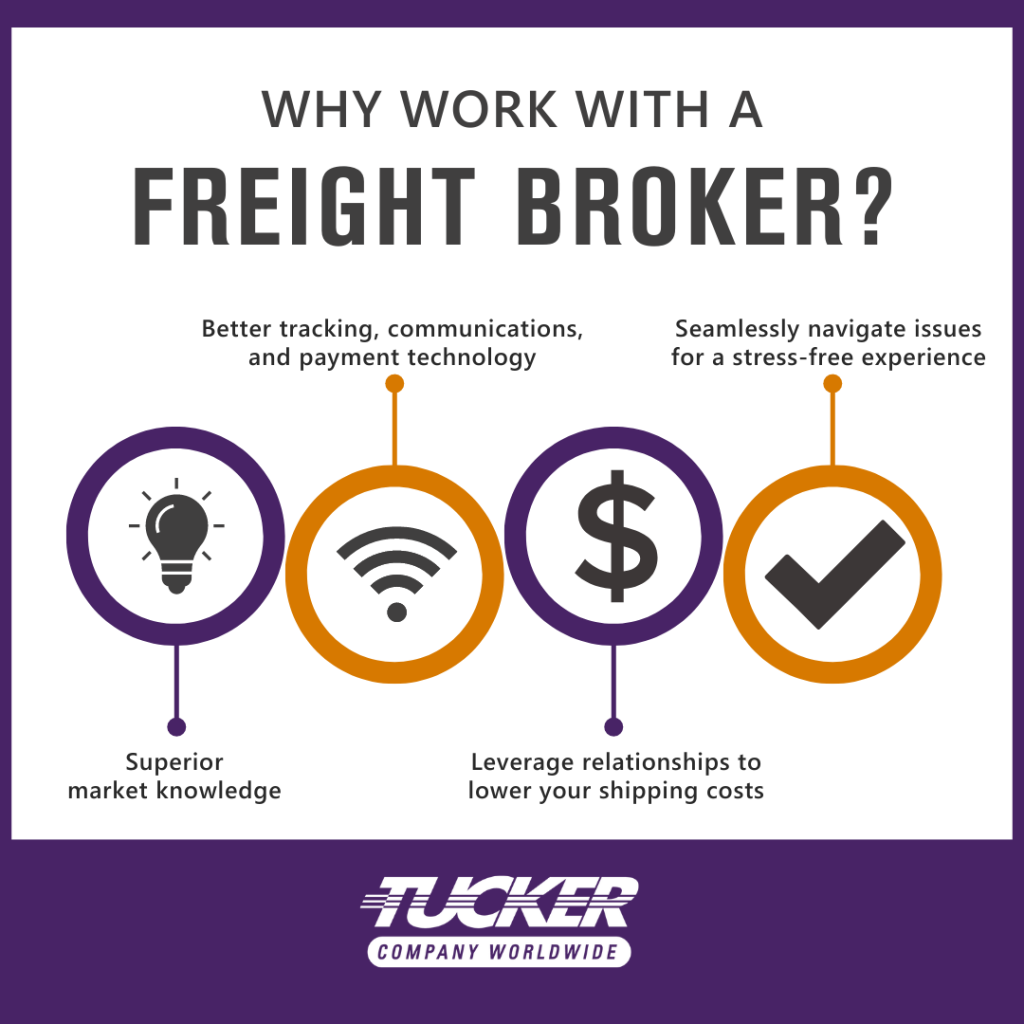
As experts in logistics, Third-Party Logistics providers have an extensive network in the logistics industry compared to your company’s supply chain function. 3PLs can use that network leveraging relationships to lower shipping costs.  

2.) Gain Expertise and Knowledge

Quickly access transportation experts and logistics technology. Supply chain logistics can be complex and come with challenges. Understanding the market can be difficult and time-consuming. A 3PL provider has the knowledge and experience in the industry to help streamline processes.  

3PL providers will likely have specialized technology that will increase transparency with better tracking capabilities, provide clear and precise communication, and consumer-friendly payment technologies.

3.) Increase Your Logistics Capacity 

More customers and output are likely your company’s goals. This may require a larger, more expensive scale of supply chain and logistics operations that tend to be complicated. 3PL companies have the technology, network, and other staff to increase your logistics capacity with a single point of contact that won’t overwhelm an in-house team.  

4.) Business Growth 

By partnering with a 3PL provider, you will be able to focus more on growing your business because you will have a team of experts managing your supply chain and logistics. 

5.) Improve Customer Satisfaction 

All the above benefits will improve your services and response time, timely deliveries, and greater brand reliability making navigating issues stress-free for you and your customers. With a reputation that people can trust, working with a 3PL will surely satisfy your customers. 

  why work with a freight broker?

 
4 ways to take control of your inbound freight 


What Tucker Company Worldwide Can Do For You

Choosing the right 3PL Provider can be a tough decision. We are here to make it easy for you. Our team at Tucker understands how crucial logistics and supply chain management are to the success of your organization. We provide businesses with award-winning service, cutting-edge technology, and carefully designed procedures to ensure safe, on-time freight delivery.   

We value our relationships with our customers and carriers and take immense pride in moving high-touch, high-security freight in industries where reputation and track record are paramount. With over 60+ years in the business, in everything we do, we strive to uphold our core values in all that we pursue: integrity, collaboration, transparency, agility, leadership, and excellence.

service that sets us apart

Services that set Tucker apart 

There are many benefits to working with a 3PL freight provider. We would love to hear from you if you are seeking logistics support. Contact us, and let us discuss how Tucker can help your company succeed.  


Categories
Blog transportation industry Tucker Company Worldwide

Tucker Market Update Recap: Where We Are as Of October 2022

A recap of Tucker’s data-packed 15-minute analysis of the trucking landscape today, trends you should be aware of, and what it all means for YOU!


Where We Are 

The market has changed a lot since the beginning of 2022. We are in familiar territory. Many people will say they have reached a “normal” market; however, Tucker Company Worldwide’s CEO, Jeff Tucker, believes that there is no such thing as a “normal” moment in this market. Momentarily we are balanced. 

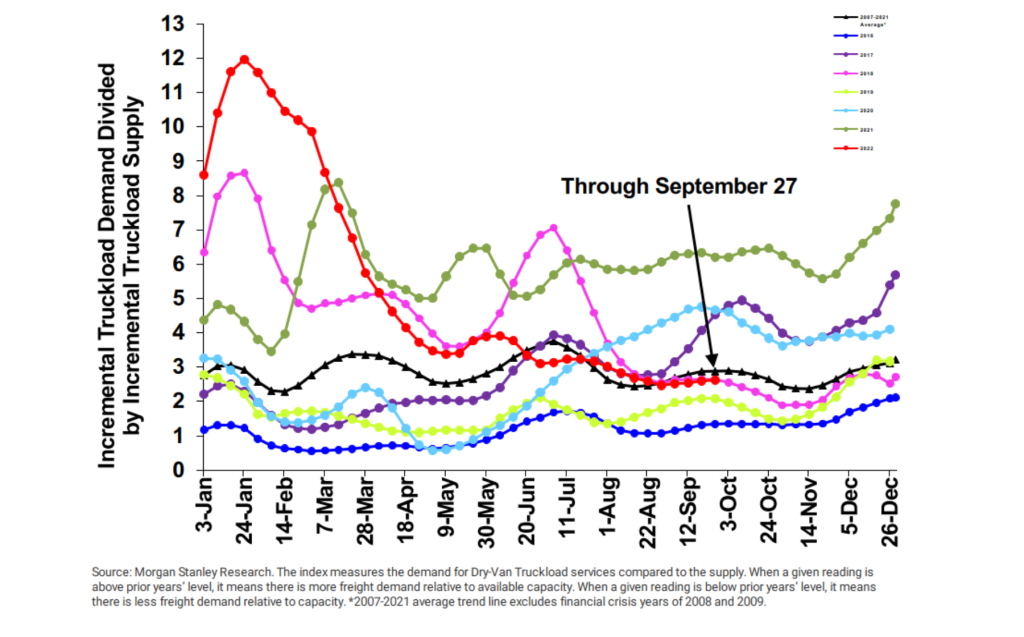
Figure 1. Morgan Stanley Dry Van ONLY Truckload Freight Index 

Drive Van ONLY Truckload Freight Index

As shown in Figure 1, 2022’s demand for truckload driving came in like a lion, as indicated by the red line above. Most of this demand correlates closely with the demand seen in the spot market. The spot market will amplify this overall demand. The average demand from 2007 to 2021, represented by a black line, indicates a delicately balanced equilibrium between supply and demand. As of 2022, we are just slightly below that equilibrium. 

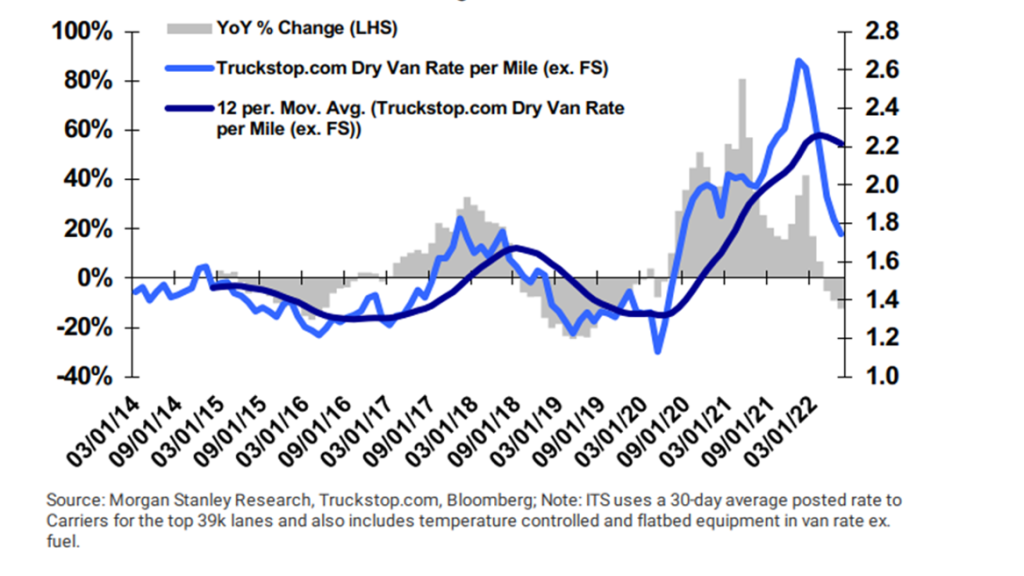
Figure 2. Morgan Stanley Van Rate ex. Field Long-Term Trends 

Van Rate ex. Fuel Long-Term Loads

Presented in Figure 2 above is our new normal. If one can figure this out, one can gain a strategic advantage in the field of competitors. This new “normal” means that every 2 to 3 years, we experience a capacity crisis because we have been delicately balanced. Before Covid, a 2.5% GDP (Good Distribution Practices) for a quarter would push us into the area of a capacity crisis.  

A Flawed Procurement Strategy 

As Americans, our corporate culture regarding procuring transportation strategy is flawed. It causes capacity crises. A couple of things happen immediately when a spot market softens.  

Immediately the largest shippers’ real freight costs decrease significantly – without any bids or new rates. Often, they do not recognize it. Jeff Tucker explained, “What happens is that in a loose market, it goes right into the spot market, and you pay spot prices.” This procurement strategy causes capacity crises.  

Where are things right now? “We are seeing huge savings that, as a national buying and procurement thought process, we do not fully understand, but it’s happening,” Jeff stated. Good stuff, right? What comes next sets us up to repeat our past mistakes.  

What Comes Next 

“Bid Season” is coming up anywhere from now until February. As buyers and sellers of transportation, this is when buyers look to cut their freight costs deeply. Buyers gravitate toward the largest carriers. Because spot rates are down, the theory goes that contract rates should go down too. That is true, but as brokers living in the margin, Tucker knows that spot rates and contract rates are two different marketplaces entirely. These strategies are flawed as they ignore the realities of the marketplace.   

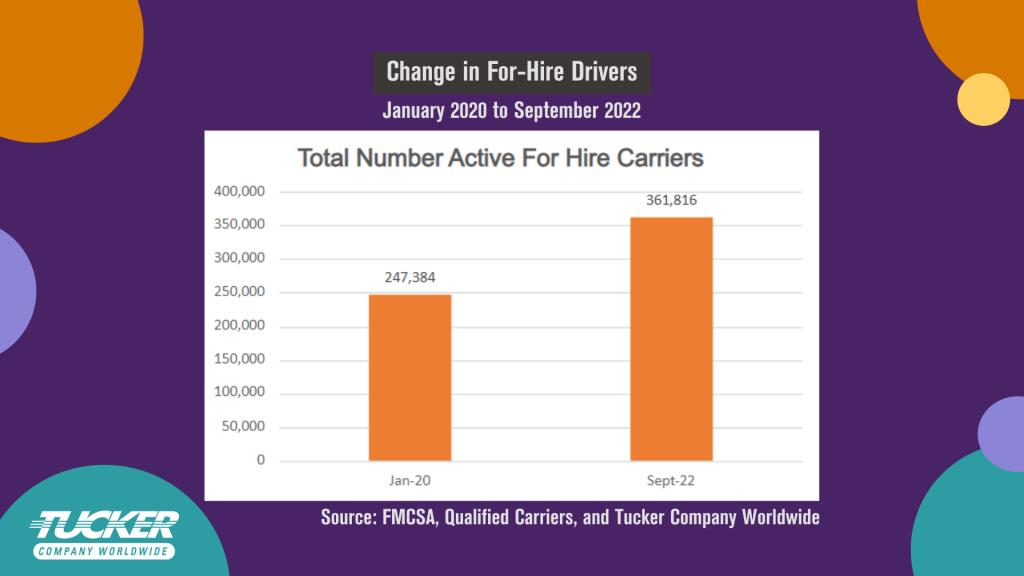
Figure 3. Change in Total Number of Active For-Hire Drivers  

For-Hire Drivers

In the 2 ½ years, from January 2020 to September 2022, the number of active For-Hire Carriers has increased by 114,432 (46%) to 361,816 as of last month. 99.7% of that total was in fleets of 1-100 trucks. The average size of 1-100 truck fleets is 5.3 trucks. You hear a lot of big carrier mergers happening because they cannot grow their fleets to meet the demand from the largest shippers, so the only way they can do it is by merging. 54% (more than half of all drivers in the U.S. that drive semis) drive for these 1-100 truck fleets. Roughly 1 million more drivers drive in this segment than 10 years ago, on a base of 3.5 M drivers; this is extraordinary growth. Jeff Tucker noted, “You must understand that if you are trying to influence purchasing procurement behavior for the positive if you are trying to build a reliant, flexible, and fungible supply chain where you are not paying at these peaks, you must understand this. Otherwise, you are going in the wrong direction.”  

To avoid this, one must seek a balanced approach, using the marketplace to their long-term strategic advantage.

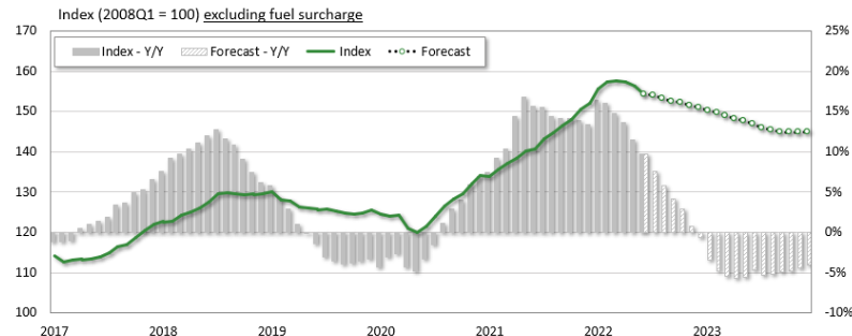
Figure 4. FTR Total Truckload rates — Contract 

Total truckload rates - Contract

Source: FTR Freight-cast TM; FTR trucking Update Service 

As displayed in Figure 4, FTR predicts contract rates for 2023 in the future would be a 4.8% year-on-year decline after a gain of 8% this year. This is not a substantial precipitous drop you would see in the spot market, but as stated before, contract and spot rates are two different animals tied together by a common theme.

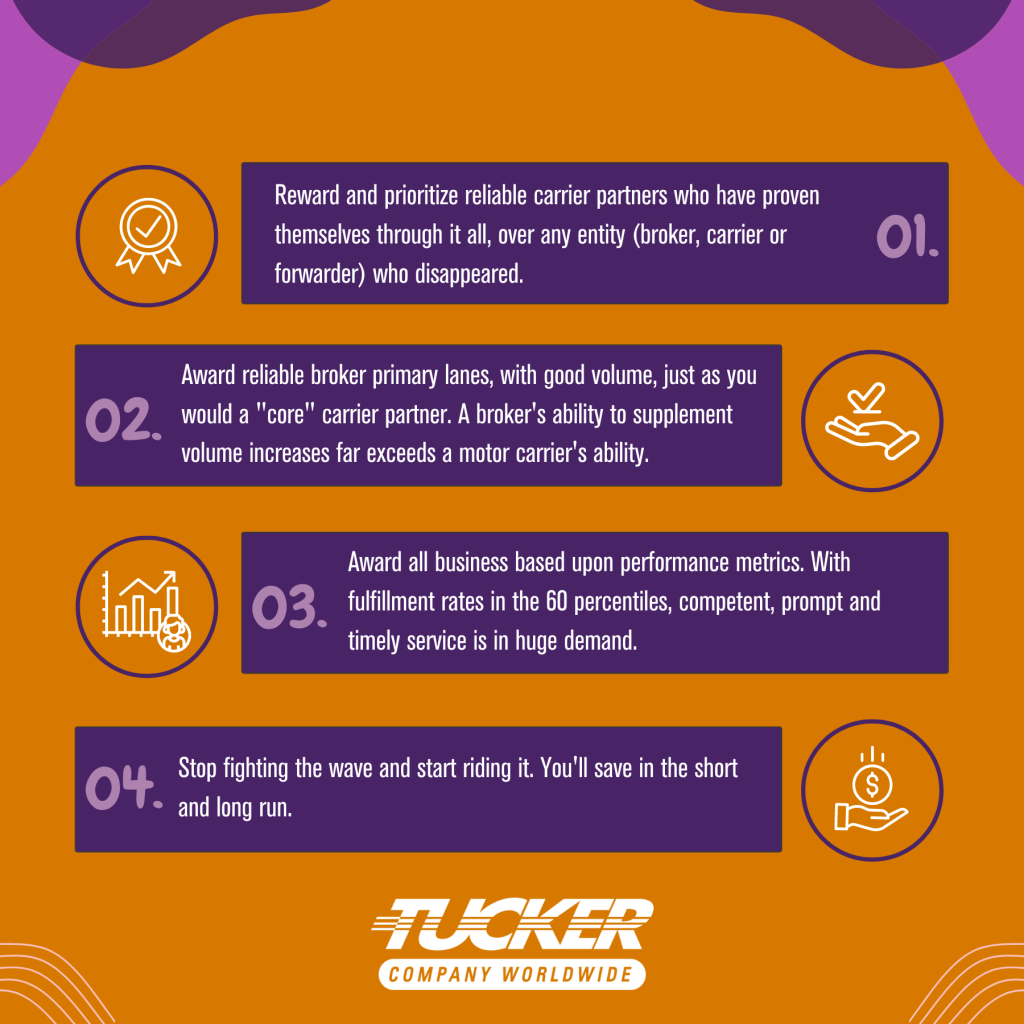
The Key to Win

The best way to win every season is equally allocating freight to providers. To do this, here are Jeff’s golden rules: 

Key to Win Transportation Procurement Infographic

You are far better off if you understand where the data is and where the markets are.  

Save the date for Tucker Company Worldwide’s next market update webinar on Thursday, December 15th, at 1 p.m. ET. We encourage you to register today. We look forward to seeing you there!  


Categories
Blog transportation industry Tucker Company Worldwide

Celebrating National Truckers Appreciation Day 2022


Tucker Company Worldwide honors the brave and selfless men and women for all their hard work!

National Truckers Appreciation Day, celebrated on October 4th, acknowledges a worthy group of inThank A Truck Driverdividuals who dedicate their lives to one of the country’s most challenging and essential jobs. We cannot think of a group more deserving of our gratitude. Tucker Company Worldwide is thanking the millions of professional truck drivers who work tirelessly to deliver North America’s freight safely to provide for our communities. To those devoted individuals, we thank you for all you do while keeping the economy moving. 

The History of National Truckers Appreciation Day 

The American landscape would look empty without trucks delivering products and other cargo. In 2019, the trucking industry in the United States was worth $791.7 billion. As of September 20, 2022, according to the data analysis provided by the Federal Motor Carrier Safety Administration (FMCSA) and Qualified Carriers, the industry employs approximately 3.5 million truck drivers. 

   A profession that often goes unnoticed and unappreciated now has a day to celebrate all their hard work, dedication, and the sacrifices made. Bill Stearnes, a used truck salesperson from Memphis, founded National Truckers Appreciation Day in 2020 to honor those essential workers who safely deliver the clothes on our backs, the food in our homes, and just about everything we use. With dedication like this comes sacrifice; many truckers are away from their families for days, weeks, and even months at a time. So, join us in thanking all our truckers. 

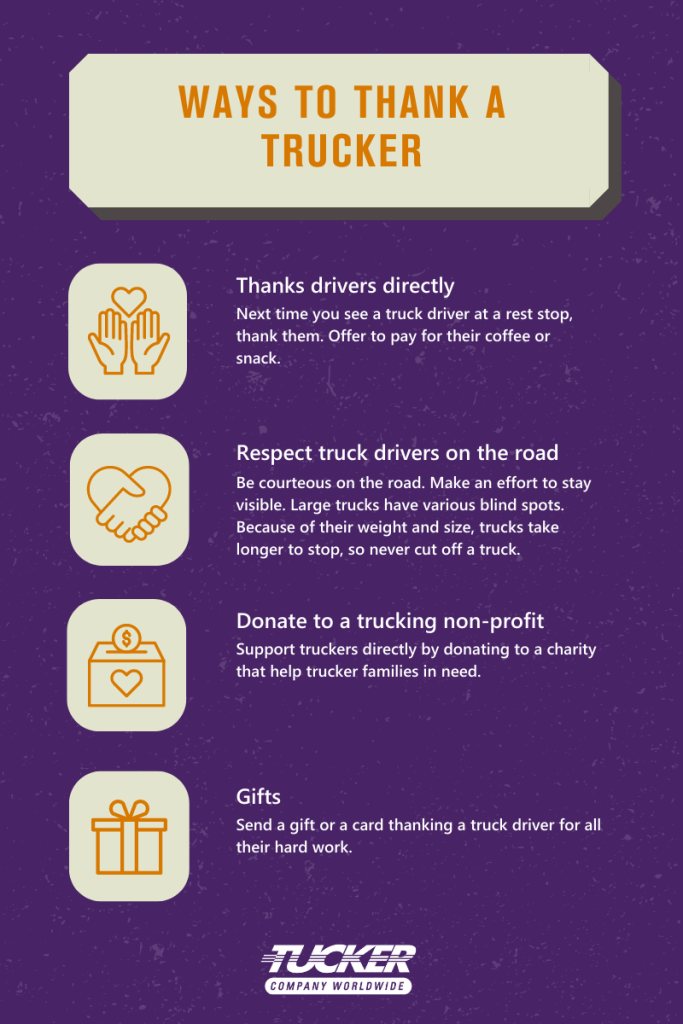
Here are a few ways you can show your appreciation… 

Ways to Thank a Trucker

We thank our truck drivers, not just one day of the year but every day, for keeping the economy alive. We wish you and your loved ones a safe and healthy year. 

National Trucker Appreciation Day

Want to say thanks yourself? You can follow the National Truck Driver Appreciation Day conversation using #ThankATrucker on social media. 

Categories
Blog transportation industry Tucker Company Worldwide

Tucker Company Worldwide Named a 2022 Top 100 3PL Provider 


Inbound Logistics has released its 2022 list of Top 100 3PL Providers, and Tucker Company Worldwide is pleased to share that we are on it!

Top 100 3PL 2022For the 21st consecutive year, Inbound Logistics recognized Tucker Company Worldwide as a Top 100 3PL Provider. Through extensive online research, personal interviews, and a wide range of services and data comparisons, the Inbound Logistics’ editors compiled the top list of logistics, supply chain, and transportation providers who they believe offer diverse operational capabilities and experience driving efficiency and operational excellence for today’s demand-driven enterprises.    

Felecia Stratton, Editor, Inbound Logistics, said, “Because Tucker Company Worldwide empowered logistics and supply chain excellence in 2022 with best-in-class solutions that drive integration across internal and external business processes and demonstrated excellence in optimizing transportation and logistics operations, Inbound Logistics editors chose Tucker Company as a 2022 Top 100 3PL Provider. Tucker’s solutions insulated customers from disruption and drove efficiencies across the entire value chain, meriting this recognition from Inbound Logistics.” 

Being selected from such an esteemed group of 3PL providers is an honor. This recognition is no small feat, as each year becomes increasingly difficult as more 3PLs enter the market. Our relentless Tucker Team’s tireless hard work and commitment this past year made this all possible. We pride ourselves on integrity, collaboration, transparency, agility, leadership, and excellence, and we are proud to say we have never compromised our core values in these last 60+ years. 

Good Company Culture Words

“It’s been a special time at Tucker this past year. Our staff and our leaders acted with great skill and calm against a backdrop of supply chain chaos, the Great Resignation, and all the challenges that Covid and the world threw at transportation. Through it all, we achieved transformational and extraordinary growth. We are honored to be recognized for the 21st year in a row as a Top 100 3PL by Inbound Logistics,” said Jeff Tucker, CEO, Tucker Company Worldwide.


What Sets Us Apart 

Why choose Tucker Company? 3PLs have become significant, providing much-needed services like giving customers access to carrier capacity and the required equipment needed to move shipments. This is where Tucker comes in. Over the past 60+ years, under three generations of family leadership, Tucker has been a leading name in North American freight transportation. With our ability to tailor our services to customers to make for a smooth customer onboarding process, we understand the strict operational and safety standards required in the industries we serve. At Tucker, we promise to understand our customers’ expectations. With our tracking and tracing capabilities matched with our advanced GPS technology, we look to increase visibility to make for a more transparent and collaborative experience for our customers. Our ability to meet and exceed the needs of our customers as a quality-managed organization is essential to Tucker, as we are proud to be ISO 9001:2015 Certified since 2008. 

For over 60+ years, we have helped transportation professionals for some of the world’s top brands. From 1961 to today, we have grown to service six industries: LifeSciences & Healthcare Products, Food, Oil and Gas, Renewable Energy, High Value, and Government. Whether your shipment is oversized, delicate, high-value, or hazardous, we’re prepared to manage it with the utmost care. Critical freight is our specialty. 

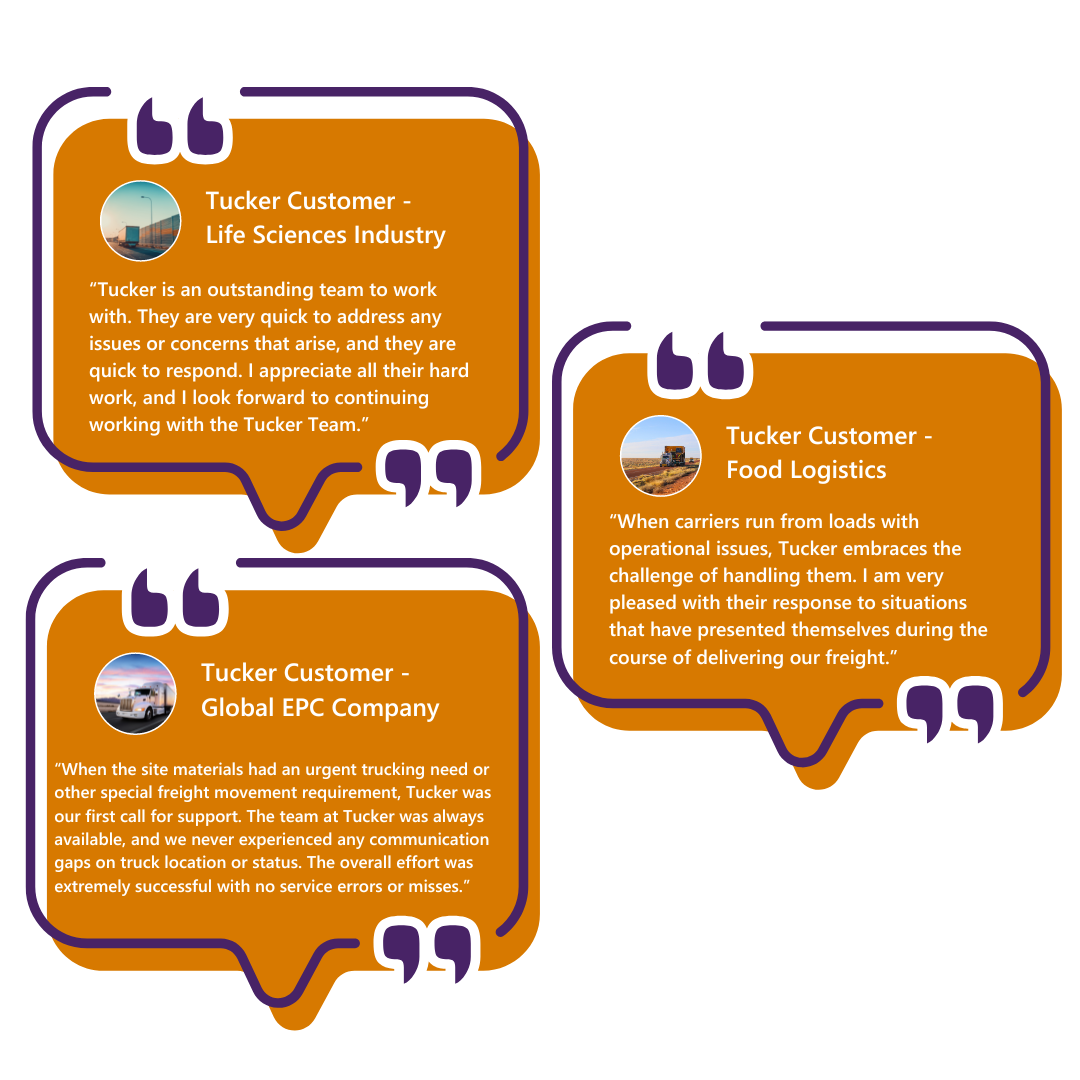
Look at what some of our customers had to say about working with us: 

Great Customer Testimonials


The Tucker Team

2022 Philadelphia Inquirer Top WorkPlacesWhat consistently makes Tucker a successful 3PL provider is our team; their passion and willingness to strive for excellence in everything they do. We would not be where we are without them. Being named a 2022 Philadelphia Inquirer Top Workplaces demonstrates that Tucker believes in the importance of investing generously in our people. 

Take a peek at what our team members have to say about their time at Tucker:

Good Company Culture

We are proud of our track record and look forward to continuing to meet and exceed the needs of our customers while we look to raise the bar in the freight transportation industry. 

There are many benefits to working with a 3PL. We’d love to hear from you if you are seeking logistics support. Contact us, and let’s discuss how Tucker can help your company succeed. 

Categories
Blog Capacity

5 Must-Ask Questions When Selecting a Third Party Logistics Firm

Shippers today are navigating an ever-changing, increasingly complex transportation landscape. Over the last 40 years, since the deregulation of the freight marketplace, there have been several capacity crises. The majority of these crises have taken place since 2014. Change is happening at a much more rapid pace today than ever before, and the faster shippers recognize these trends and adapt, the better they will fare in the next capacity crisis.

Brokers, or third party logistics firms (3PLs), can be a great partner in both good times and bad, helping to add steady capacity and consistency on your loads. However, not all 3PLs are created equal, so it’s essential to select your transportation partners wisely, as you would any large, trusted carrier partner.

The following questions can be used as a starting point to help you separate the wheat from the chaff.

1. What does your carrier base look like?

Many brokers — especially the largest ones — leverage owner-operators for the lion’s share of their shipments. That means that their customers are rarely getting the same company twice, let alone the same driver. When selecting a 3PL partner, find one that feels like a “core carrier” and provides whatever capacity you need.

What does this look like in practice? Your 3PL should leverage small, medium, and large fleets. When one of the aforementioned broker’s drivers falls off a load, they have to start over. Whereas a broker that uses medium and larger carriers is able to cover potential delays with another driver from the company. It’s an enormous difference in the quality of service and performance.

2. How can I expect to receive updates on my loads?

Visibility is King (or Queen!) nowadays. If you’re like most shippers, you want key information about your shipment at your fingertips at a moment’s notice. A good 3PL will ensure you can receive this information in whatever way is most convenient to you, 24/7/365, including via phone; email; a self-service portal; or API, GPS, EDI, and XML feeds. You may also want to inquire about their reporting capabilities. Ideally, you’ll find a broker that will take it one step further to provide shipping data on your lanes — helping you improve your business processes and operations, and identifying valuable cost-saving opportunities.

3. What is your tender acceptance ratio?

Commitment is key in brokerage. Thousands of brokers’ businesses are based upon the ideal that if they cover 80% of the loads on their boards, they made money on 80%. If you’re a shipper and your load(s) are in that 20% that the broker didn’t, couldn’t, or wouldn’t cover, where does that leave you? Like any business, brokers are in business to make money. (And your broker should make money … If they do a great job, you want them in business year after year to support you, after all.) But you have to find a broker that values relationships, practices solid business principles, and commits to your volume. That’s a small minority of the overall marketplace, and it makes a huge difference.

4. What measures do you have in place to ensure the safe, successful delivery of my goods?

Any broker worth its weight in salt will be able to clearly outline for you their careful carrier selection process and the ways in which they continuously evaluate and monitor their carrier’s operating authority. You want to find a broker that will verify each and every carrier’s USDOT and FMCSA profiles, their compliance performance, and their insurance. The 3PL should also require that their carriers execute a written broker-motor-carrier agreement, and maintain copies of those documents to verify their compliance. (Consider it an added bonus if the broker also has customer-specific standards of care, or SOCs, and work instructions for each of their clients!)

 5. In the event of a claim, how do you manage the process?

At the end of the day, the carrier moving your freight is the party that is held liable in your contract. This doesn’t change when you introduce a broker to the mix. That being said, you want to make sure the broker you’re considering working with won’t just dust their hands off in a “not my problem” type of fashion. Ideally, the 3PL will have a general counsel and staff to help process your claim, and have insurance policies in place that back up the carrier’s position. If that is the case, you may actually have more protection working with a broker than dealing with a carrier directly. We’d recommend asking to speak with the 3PL’s risk management team to discuss this in further detail.

A few other considerations that should certainly be top-of-mind for you as you select a 3PL are factors like their company history (both financials and longevity are considerations), their on-time percentage for both pick-up and delivery, and customer satisfaction metrics. You want to make sure your transportation partner is in it for the long haul.

Need help with your truckload or managed-LTL needs? Send us a message at info@tuckerco.com. We’d love the opportunity to win your business.
Categories
Electronic Visibility Jeffrey Tucker

Three Things Smart Shoppers Are Doing Before The Next Recession


By: Jeff Tucker, CEO, Tucker Company Worldwide

Times are pretty good right now. We’re in the longest economic recovery in our nation’s history, and shippers are bouncing back from blown budgets. But these times won’t last forever. The economy, while not necessarily a tangible item, is not exempt from the law of physics … what goes up must come down.

Smart shippers are recognizing this and leveraging the temporary calm to set themselves up for future success, and they’re doing three things in particular:

1. They’re making digital, GPS-based visibility a priority.

There are a number of companies that help shippers and brokers aggregate GPS data on shipments. Digitally tracking 90% of all truckload locations is well within the grasp of every single American shipper who wants it today. (Trust us, we did it — and you can too.)

2. They’re leveraging the data garnered through that visibility.

By mining the data you’ll receive through visibility, you will no longer be dependent upon carriers and brokers to self-report on-time performance (which is often grossly overstated). You’ll get data into your lanes, which will allow you to adjust transit times and cut and dissect lane data like a champ. All of this leads to better execution, better customer service, and better control of the work you do.

3. They’re excluding providers who don’t hit their minimum on-time performance standards.

The time has come where underperforming providers will be excluded from the bid process. Recently, we were part of a bid event that only invited brokers and carriers that were at or above 90% on-time delivery. Game changer.

One thing is clear: the freight transportation industry is evolving quickly and separating service providers who can perform from service providers who can’t (or won’t). The ones who can’t will be cheaper, but they’ll cost shippers a fortune, or worse – they’ll put them out of business altogether. Whereas the ones who can perform will be well-positioned to reap the benefits.

Interested in more information on the steps you can take to set up your organization for future success? Check out my Annual Review and Outlook feature in the Journal of Commerce, “Visibility data key to improving trucking efficiency, service.” (Login required.)