Categories
Uncategorized

Update from our CEO: Truck Drivers are Top of Mind for Me Right Now

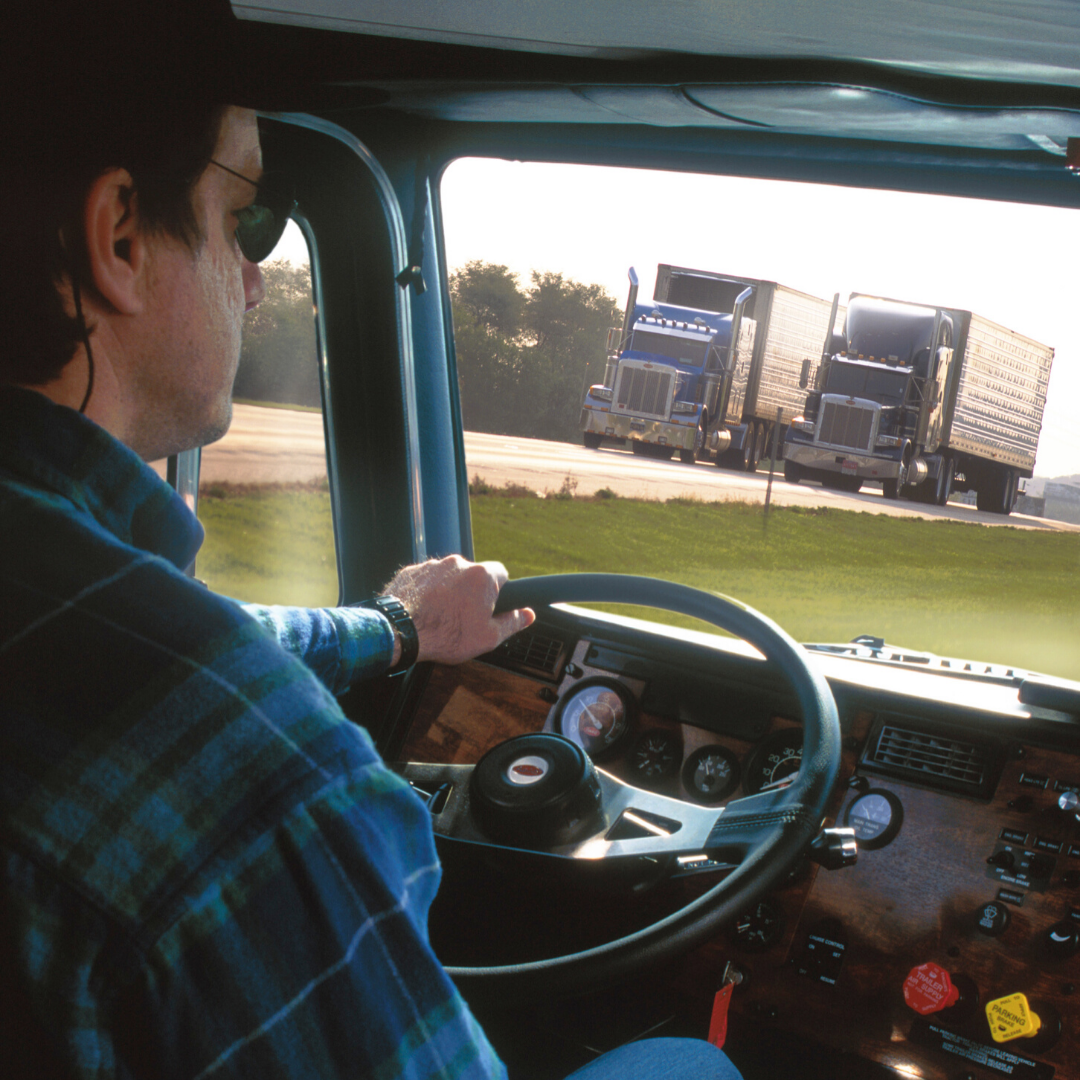
As we continue to navigate our new normal in the face of this crisis, I have been closely following and educating the public about the challenges currently facing the trucking industry — specifically, truck drivers — amid this pandemic.

In the third week of March, freight volumes may have peaked, reaching three-year highs. Pockets of freight markets are still busy. But as the supply chain pivots to more “essential” goods, like groceries, medicines, and medical equipment, we are facing an issue with the spread of misinformation and the fear of contagion among truck drivers. Statistically speaking, the majority of truck drivers fall into the “at-risk” category for COVID-19, yet they are still out there, delivering essential goods to the public, at great risk to their personal health. It is essential that we continue to fight for their safety, security, and well-being on the road. (Learn more about the issues they’re currently facing and what I’m asking of elected officials in this blog post. I also spoke with CNBC about this topic; you can watch that brief clip here.)

I have been laser-focused on bringing this issue to light because the risk of inaction is too great. If we do not advocate on behalf of those who are most vulnerable on the frontlines of the supply chain, the spread of misinformation and fear of contagion threatens to lead to severe shortages in the near future in the most at-risk communities.

In fact, we are already beginning to see these concerns realized. According to a state of the industry report compiled by experts in the field, analyzing the NY-NJ-CT-PA combined statistical area, workforce anxiety and related absence rates are increasing. One trucking firm with nearly 2,000 drivers had 7 percent absenteeism for the first week in March and 16 percent for the fourth week. We all have to do our part to make sure drivers feel supported and safe as they set out for work, or we could continue to see this increase in absence rates.

California is seeing its own unique set of COVID-19 hot spot capacity issues. A report circulated this week by an industry think tank showed shipment tender rejections are higher for San Francisco freight than for Puget Sound. This defies reason on its face because Puget Sound is more of a hot spot than the Bay Area. We have theories on why San Francisco’s crisis supply chain doesn’t appear as resilient, which we’ll detail in future reports.

In the meantime, should you have any questions about regional guidelines,  I encourage you to check out the U.S. Chamber of Commerce’s “Essential Workforce Tracker” for updates as statuses continuously change across the country.

As mentioned in my update last week, at Tucker we remain 100% operational and are ready and able to help wherever needed. Please let us know if there is anything we can do for you. In the meantime, we sincerely thank you for time, attention, and service. Be well.

Jeff Tucker, CEO
Tucker Company Worldwide
Categories
Uncategorized

Navigating Replenishment Challenges in a Time of Crisis

By Jeff Tucker, CEO, Tucker Company Worldwide

By now, we’ve all gotten used to seeing stockouts at our local grocery store, or placing an online grocery order only to have the bulk of your items be canceled or replaced. As CEO of a freight brokerage, I’m not just a consumer that’s inconvenienced by this recent phenomenon — it’s part of my responsibility to understand what’s going on behind the scenes, and to have my staff at the ready to help with the inevitable transportation challenges that come during a crisis.

When emergency strikes, my business is (and has been, for almost 60 years) on the frontlines of the supply chain, helping to deliver essential items like food, medicine, and emergency supplies. Replenishing stockouts during a crisis like COVID-19 seems easy enough in concept, but there are a lot of factors combining right now to make this particular crisis even more complex.

First, businesses around the country are operating with a significant portion (if not all) of their teams working remotely. Naturally, when your business is built on a foundation of in-person collaboration — as many transportation departments are — it can be challenging to maintain the same level of productivity. Our customers are being forced to adapt while also taking on additional work, in the form of replenishing essential items and expanding their network of carriers and transportation providers … to say nothing about finding the additional supply or ramping up production. (Read more about how the just-in-time economy contributed to shortages of goods here.)

Second, everyone has been scrambling to keep up with regulations that are changing by the minute and understand the patchwork of “shelter in place” orders and laws that states have been issuing one by one. We’ve always provided our market expertise to our shippers, but recently we’ve been called on to dissect each state’s laws and advise our customers on the potential implications for their business. We’ve fielded questions from large national shippers about whether dog food falls under the “essential” category, for example (it doesn’t), and whether they can move their specific type of freight in states that have declared shelter in place orders for businesses. Trade associations have come to the rescue to synthesize essential information, lifting that burden off of businesses.

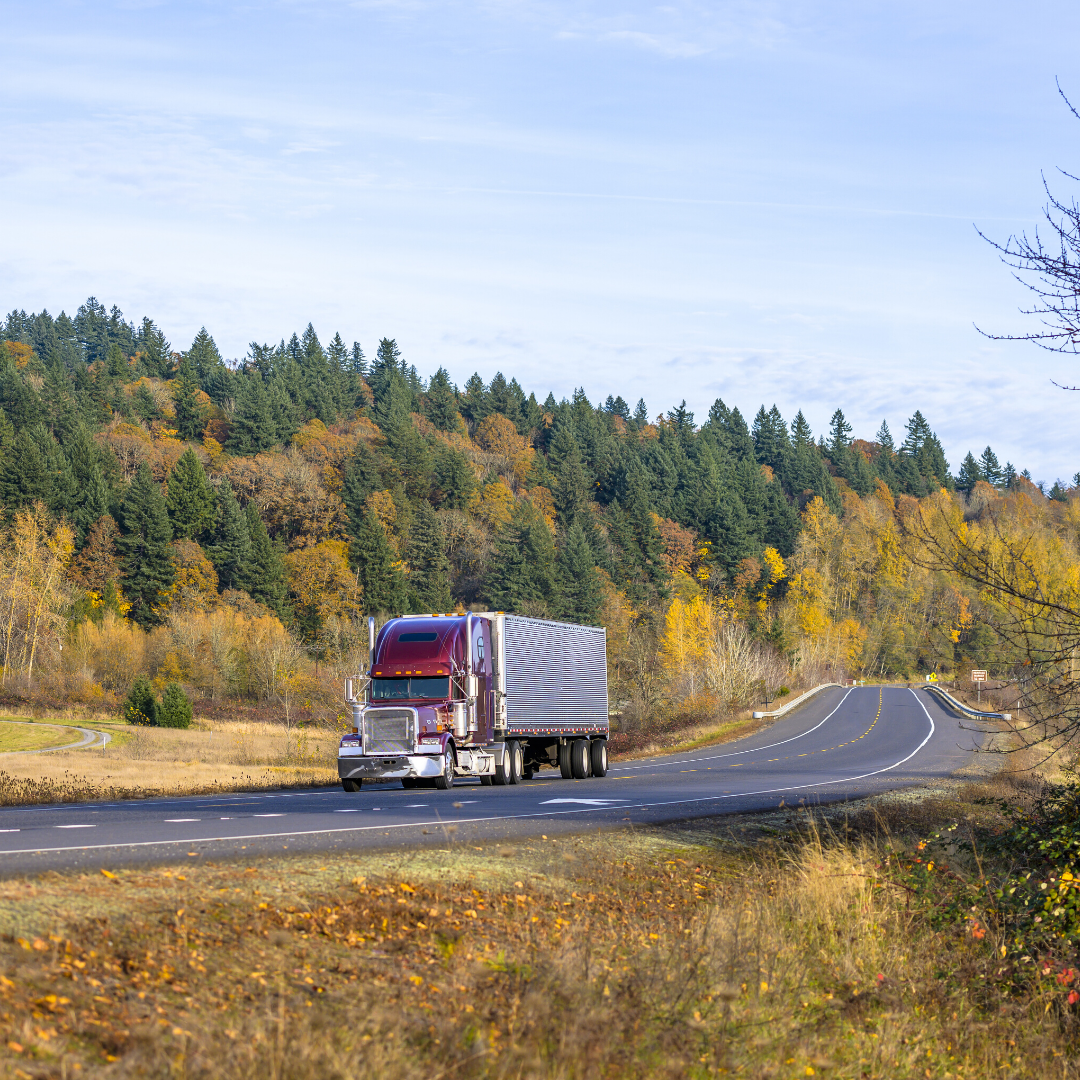
Third, our stalwart carriers and their drivers are continually faced with both literal and figurative roadblocks. Today, there are about 3 million for-hire truck drivers — very few of whom have parked their trucks to sit this virus out. Each of these drivers is facing their own set of challenges. Ensuring the locations they’re serving are open is a big one. Making sure they have the right paperwork to show that they’re hauling essential goods is another. And, of course, let’s not forget about planning their routes around rest stops that are actually open. Plus, items that have never been considered valuable in the past suddenly require an increased level of vigilance (hand sanitizer, for example). It’s never been more important for us to do our due diligence to make sure our carriers and drivers have the information they need to safely, securely, and efficiently move their loads. Across the globe, we’re all reminded of how important truck drivers and warehouse workers are to sustaining us. Despite all of the risks, drivers keep driving. They wrap themselves in the flag, and carry on willing to serve. We’re grateful for their work, and we need to support them as they do their jobs.

It’s safe to say that just about every industry is reeling from this unexpected turn of events, and the ocean liner metaphor rings especially true: the bigger the ship — the more difficult it is to turn. As we look toward the future, we can’t help but do so with a bit of anxiety.

In the short term, truckers are hanging in there, but if this crisis continues much longer, we’re fearful that owner-operators and small fleets without a customer base may be under-capitalized and might not survive the downturn. We’re hopeful that the economy will come roaring back once the virus threat is under control — but getting goods to market may be extremely challenging if large amounts of capacity have been wiped out.

Our company is no stranger to crisis response, and we’re lucky to have a myriad of experiences to pull from as we’ve helped our shippers and carriers navigate uncertainties over these past few weeks. In 1979, our company supported nuclear containment at Three Mile Island. We were at ground zero on September 11, 2001. We have supported the military and federal government, including FEMA, for countless national emergencies. Today, we’re putting our expertise to work moving medicine, relief supplies, and other essential goods to support the COVID-19 response in areas around the country. We realize how frustrating stockouts and slow deliveries can be, but from our unique vantage point arranging transportation, both carriers and shippers are ramping up their efforts and doing their best to navigate all the new challenges thrown at them the past few weeks — and we think everyone involved in moving what’s moving is doing an outstanding job.

Tucker Company Worldwide has navigated capacity crises for over 60 years. If you have any questions, please contact us today!

Categories
Uncategorized

Concerns Mount for NYC Supply Chain as Misinformation Spreads Among the At-Risk Driver Population 

As New York City works to contain the COVID-19 pandemic, supply chain ramifications are beginning to rise to the surface. Initial freight volumes surged to replenish depleted grocery stores, volumes seem to have peaked, but the spread of misinformation and fear of contagion among truck drivers has increased, and threatens to lead to challenges and potential shortages in the near future. Our CEO, Jeff Tucker, spoke with CNBC on the issue this morning. Read on to get a full picture of the issues at hand.

For months, we’ve been hearing that the elderly, immunosuppressed, and those with underlying health conditions are particularly vulnerable when it comes to COVID-19. These populations have been urged to stay at home and distance themselves from others. What many people may not realize is that, statistically speaking, the majority of truck drivers fall into this “at-risk” category. Yes, the same people who have been out on the roads since day one, delivering essential goods to the front lines, are doing so at great risk to their personal health.  

The National Institutes of Health reports that 87% of truck drivers have hypertension; obesity affects the truck driver population at more than twice the national rate; and 50% of all truck drivers have diabetes. Some carriers, understandably, have significant concerns about the health of their drivers, who come in contact with others daily, and have begun taking protective measures into their own hands, issuing their drivers with personal respirators or personal protective equipment (PPE).   

Given most drivers’ at-risk status, you can imagine why New York City may look particularly uninviting at the moment. But, health issues aside, confusing comments by elected officials and rogue decisions, like those Pennsylvania made when they shuttered many highway rest stops and highway restrooms, strengthening the supply chain is a bigger challenge than it should be. Closures and restrictions around truck stops are making it difficult for drivers to park, rest, eat, and use restroom facilities. Food distribution is spotty at best. 

Drivers are telling us that some shippers and receivers are refusing to load them if they’ve been to New York City within the past 14 days for fear that moving goods in and out of the state may jeopardize future loads. Canadian carriers have an even stickier set of issues: they fear they may not be able to cross back into their country. According to a state of the industry report compiled by experts in the field, emerging state weight limitations and local delivery curfews also pose challenges. If the U.S. chooses to enact well-intentioned but damaging regulatory measures, such as requiring essential employees to register and obtain travel authorization with their states, it stands to reason that we may suffer the same systemic and extended supply chain disruption that China experienced. 

Further complicating matters is the spread of misinformation. Some carriers have begun turning down New York freight because they heard through the rumor mill that they need special permission to haul in and out of the state (they don’t). Some thought New York City’s 14-day quarantine applied to essential workers, and it took the CDC two days to clarify that truck drivers were exempt. The government is creating a level of uncertainty from their comments and actions that needs to stop immediately. If ignored, we could risk significant supply chain issues in America’s most hard-hit communities.  

What we need from our legislatures right now is a unified voice and directive that prioritizes the safety and wellbeing of those who are delivering their essential goods. Every state should open their highway restrooms to truck drivers, follow the Department of Homeland Security’s guidelines on critical infrastructure during COVID-19, and ease up on parking tickets for drivers who have nowhere to park. 

Elected officials need to be more mindful of how a message may be perceived by essential workers when articulating restrictions, so as not to perpetuate the spread of misinformation among the transportation industry. And they should more regularly acknowledge and thank the truck drivers out there for their courage and continued service during this crisis. We have to do a better job for these folks. They are putting their lives on the line for us; it’s the least we can do for them. 

Categories
Uncategorized

A Business Continuity Update from our CEO

March 27, 2020

I hope this message finds you in good health and spirits as we all navigate this new, great challenge. Last week, I shared our business continuity plans with you as we set out to operate at full capacity with 100% of our team working remotely. Today, we are a week and a half into that transition, and I couldn’t be more proud of our team. We anticipated that one day we might need to operate without use of our headquarters, for any number of reasons. Today, we are happy to report that our technology ecosystem and contingency planning have been successful during the transition to a 100% work from home (WFH) operation during this crisis.

Through it all, our on-time performance (more than 98%) remains at pre-WFH levels, and we’re moving more freight than before the coronavirus. Much of that freight is in the form of medicine, food, and grocery replenishment, helping to support hard-hit communities. We have been working tirelessly with our various trade association contacts to influence or assess regulatory changes, as well as understand local and federal definitions of “essential” and “critical” to help our customers decipher the impact to their businesses.

We are thankful to be doing our small part in helping our customers, carriers, and friends weather this epic disruption to all of our lives. We are grateful to the drivers, warehouse staff, retail workers, and all of the people in the supply chain unable to work from home, who are keeping us alive. We hope this ends soon, and as safely as possible for everyone. Thank you for your business and your continued trust. I will send a broader assessment of both Tucker operations and the freight markets next week. Until then, be well.

Jeff Tucker, CEO

Categories
Uncategorized

COVID-19 Transportation Update: Shrinking Air Cargo Capacity, Concerns About Driver Capacity, and More

Earlier today, through our industry involvement, we received several updates as it relates to the movement of freight during the COVID-19 crisis. Below are a few items we think may be of most interest to you.

Grounded Flights are Impacting Air Cargo Capacity

Due to the reduction in international flights, the volume of trans-Atlantic air freight is expected to be down by approximately 25 fully-loaded Boeing 777’s per day.

The Transportation Security Administration (TSA) reported, as of this week, the number of passenger screenings are 83% lower than the same time last year. Domestic air carriers are preparing for a shutdown, or near-shutdown, due to demand and difficulty filling crews. Case in point: a large airline reported that 95% of their international flights are grounded. This will impact the movement of freight, as about 60% of Atlantic air cargo is transported by passenger planes.

Updated on 3/26/20: Airlines have begun shifting their efforts to meet air cargo demand. For the most up-to-date information, visit the International Air Transport Association’s website.

Concerns Rise Around U.S. Driver Capacity as China’s Production Ramps Up

China is at about 85% production capacity, and ramping up. Crossing the Pacific by ship is approximately a 14-day journey, so drivers who are looking to move freight in Southern California will need to wait another two weeks (plus the typical 30-day turnaround time for receivables to be collected). With over 80% of drivers serving the ports being owner-operators, concern is mounting that they are not capitalized enough to last the 45 days, which could cause a significant shortage at the ports. We expect that when freight begins flooding in from China, freight and pricing will have a “peak season” feel. Those of us who pay carriers and need capacity should ensure we don’t stretch out payment terms for truckers in this hour of need. In fact, speeding up payment now — at least temporarily — will ensure they’re there when we need them to be, and may save us blown transportation budgets when freight begins moving again. Otherwise, we risk a return to the 2018 freight rate environment.

A Few Quick Facts on Trucking Today

• Current truck pricing is above 2019 rates recently, primarily due to the grocery replenishment push.

• U.S./Canada and U.S./Mexico cross-border trucking is moving at faster-than-normal speeds due to the shutdown of passenger traffic.

• A large truckload carrier has indicated that its drivers interact with 1.8 people per day, placing themselves at risk. Drivers continue to drive and support the nation’s efforts.

Categories
Uncategorized

Best Resources for COVID-19 Freight Transportation Updates

The organizations below have created free, centralized repositories of information as it relates to the movement of freight during the COVID-19 crisis.

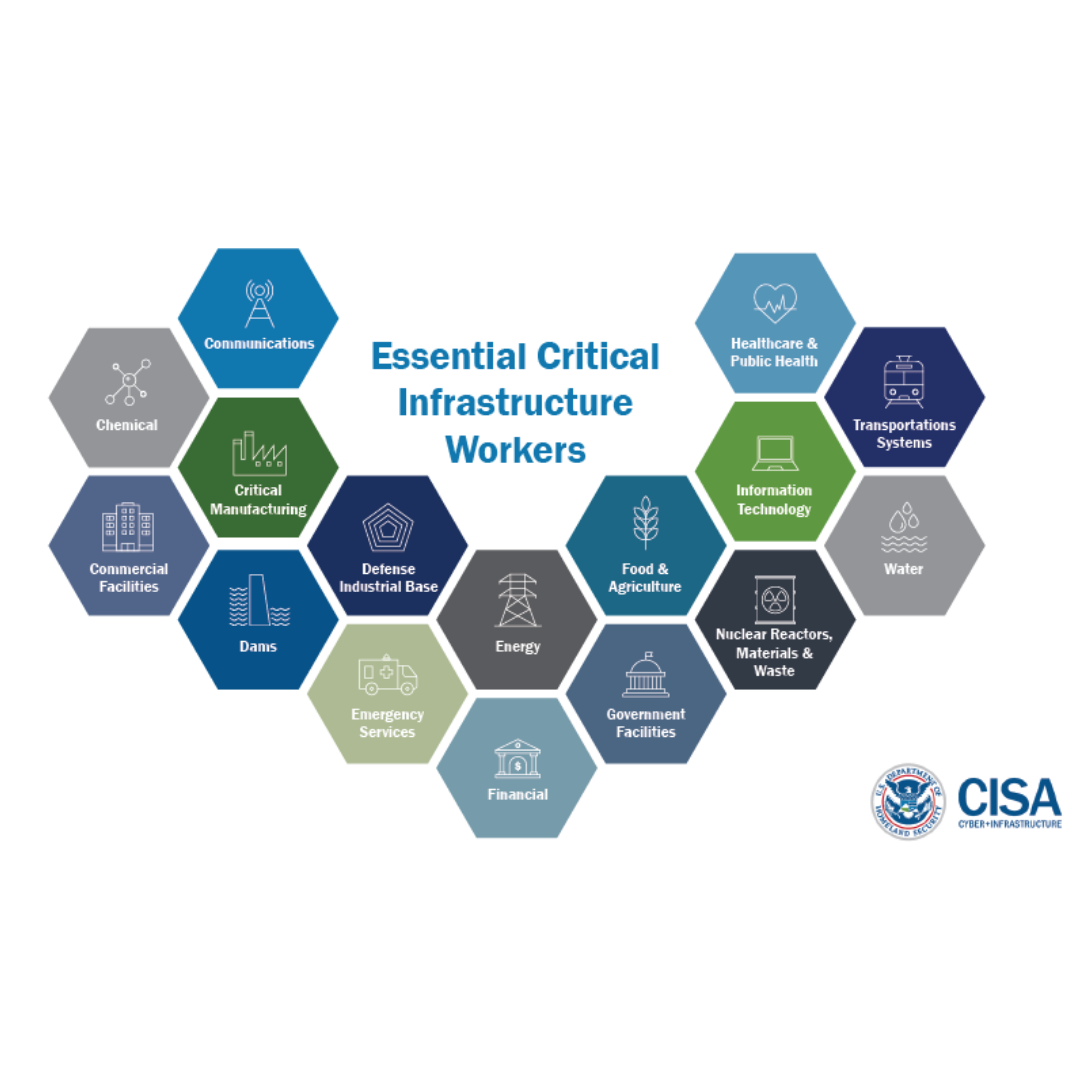
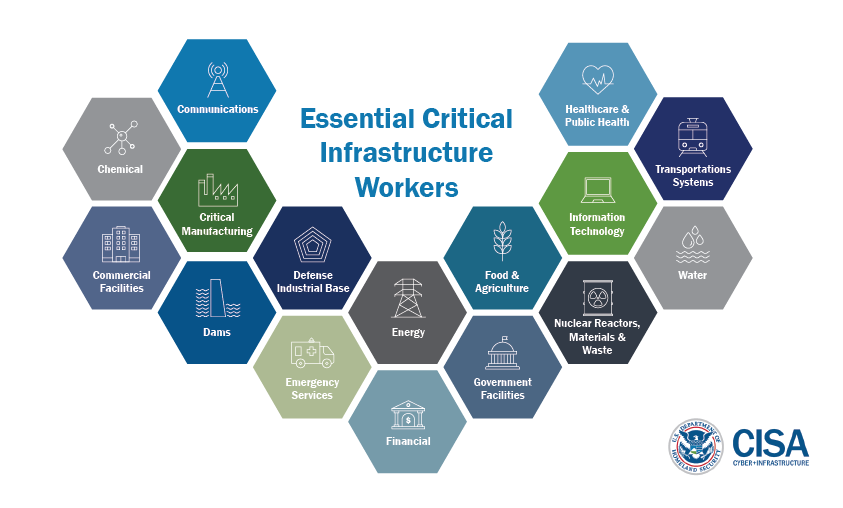
For information on what sectors are considered “critical” during COVID-19, check out this advisory published by the Department of Homeland Security’s Cybersecurity Infrastructure and Security Administration (CISA).

Categories
Uncategorized

COVID-19 Freight Transportation Updates

What Industries are Considered Critical?

On March 19, 2020, the DHS’s Cybersecurity Infrastructure and Security Administration (CISA) issued the advisory to state, local, tribal, and territorial governments regarding the designation of critical infrastructure during COVID-19. Freight transportation, of course, made the list. (View the list in its entirety here.)

Essential Critical Infrastructure Workers

More and More States are Issuing Shelter in Place Orders

To date, the Governors of California, Pennsylvania, and New York have declared a “shelter in place” order for businesses, which includes closing all businesses that are not deemed “essential” in California or “life-sustaining” in Pennsylvania.

California is exempting critical infrastructure workers from this order, based on the CISA’s aforementioned guidance.

Pennsylvania is permitting the following life-sustaining businesses to continue operations, as it relates to support activities for transportation:

  • Support activities for air, rail, water, and road transportation
  • Freight transportation arrangement
  • Other support activities for transportation

New York is exempting vendors from this order that provide essential services of products, including logistics services.

For an up-to-date list of states with shelter in place orders, check out the Transportation Intermediaries Association’s interactive COVID-19 freight disruptions map or the American Trucking Associations’ COVID-19 Update Hub.

The United States Closes its Borders

Following similar action along the Canadian border, the White House has closed the United States’ border with Mexico to nonessential traffic, but is exempting trade and commerce from the ban. Read more about this on Transport Topics.

We will continue to monitor the situation and share updates as needed.

Categories
Uncategorized

A Letter from our CEO on COVID-19

I’d like to take a moment to thank our valued customers, carriers, and business partners during this most challenging time, and reassure you of our ongoing operations.

Business preparedness and business continuity is our business. Since our founding nearly 60 years ago, we have never closed our offices for any reason. From natural disasters to national emergencies, we have always jumped in to support the relief efforts and ensure urgent supplies could be delivered to the communities in need.

We were there in 1979 supporting nuclear containment at Three Mile Island. We were at ground zero on September 11, 2001. We have supported the military and federal government for countless national emergencies — and we are here for you now. Today, we continue to maintain 100% of our operations while handling significantly more freight than normal, in the form of surge capacity, supporting our customers who are replenishing critically important food, medicine, and relief supplies.

We have never missed a beat or interrupted our service because we know how critically important our customers’ shipments are. Our highest priority as a business is, and has always been, to be there to support these requirements while also ensuring the safety and wellbeing of our team.

The health of our staff is critical and comes first in every equation.

We have been exercising our pre-existing business continuity plan, with a 100% work from home preparedness drill at our headquarters, to ensure that we can provide for the longer term safety and wellbeing of our team and reduce the spread of the disease. Our entire headquarters has been cleaned, sanitized, and disinfected to the level of hospitals and surgical centers. This cleaning repeats daily for high-touch areas, with full weekly cleanings. At the conclusion of our 100% work from home drill, our office will remain open throughout this crisis for essential personnel. In the event authorities confine even essential business employees to their homes, we are fully prepared. Every single staff member, from college intern to chief executive, has access to the same tools and resources they use in the office, in order to ensure a seamless transition to remote work.

We feel fortunate to have wonderful business partners and carrier friends.

The health and business continuity plans of our motor carriers and business partners is also top of mind. We are staying in close contact with our carriers, their management and staff, and their drivers, as well as our technology business partners and have been pleased with their preparedness and levels of support.

Being in this business, we are always thankful for the warehouse and distribution center workers, and, of course, truck drivers. They’re interacting with people, in and out of public facilities, exchanging money, and eating on the road. They can’t work from home. Throughout our six decades, we have been continually touched by the everyday heroism and fortitude of the American truck driver. Please share your appreciation and keep them in mind during this challenging time.

We are continuously monitoring all regulatory and economic updates.

Through our leadership roles in many national trade associations, we are being briefed daily — and often multiple times per day — on changes in regulatory oversight, enforcement, and potential changes forthcoming. When changes occur, we are incorporating them into our business, and will inform you as needed.

At the moment, FMCSA has relaxed hours of service restrictions on food items that are replenishing grocery stores, and for a variety of supplies and equipment directly supporting the COVID-19 relief efforts. We have posted FMCSA guidance gleaned from a March 16, 2020 briefing here. With freight transportation long considered an “essential business,” you should expect freight transportation to continue. If we were to reach an exceptionally draconian future state, similar to martial law, some freight transportation may be restricted. Hopefully the steps we are taking today as a nation will prevent such a situation.

Don’t wait to schedule a truck.

The softness, or equilibrium, that occurred in late 2019 and early 2020 has stiffened again in response to COVID-19. That’s primarily due to replenishing the grocery hoarding and does not appear to be due to drivers staying home. In fact, we are seeing a lot of demand, plenty of supply, and an appetite for carriers to remain busy. Rates have strengthened in many markets.

When markets tighten, early notice is always essential to getting the capacity you need, when you need it. When the federal government, the National Guard, and FEMA begin to respond, relief supplies like food, water, medicine, bedding, temporary housing, testing kits, etc., will flood the market and the government will pay top dollar to get the trucks they need. This will drive up prices and shippers will lose capacity. Don’t wait until the last minute to schedule a truck. Do it now.

Should you need additional support or guidance as we navigate this pandemic, we are here for you. Tucker has been a stable source of support for our customers for decades, and we will continue to be through this newest, significant global challenge.

Thank you for your continued partnership. Please let us know if there is anything else we can do to help or better serve you.

Be well,

Jeff Tucker, CEO

Tucker Company Worldwide